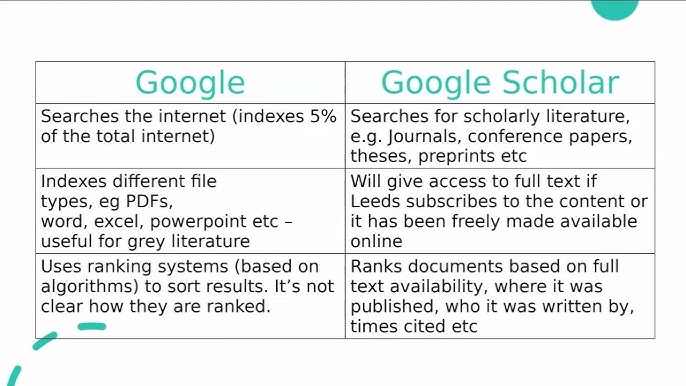
Google Scholar is a powerful platform designed to index academic and research-based content. Unlike traditional Google Search, it focuses on scholarly materials such as research papers, theses, case studies, and whitepapers.
If you’re looking to get featured on Google Scholar, this guide will walk you through everything you need to know.
What is Google Scholar?
Google Scholar is a specialized search engine that indexes:
- Research papers
- Academic journals
- Theses and dissertations
- Conference papers
- Patents
It helps users find credible, research-backed information across various fields.
Who Can Get Featured on Google Scholar?
Anyone can get featured, but only if they publish academic-style content. This includes:
- Students
- Researchers
- Businesses publishing industry reports
- Professionals sharing case studies
Important: Regular blog posts or promotional content do not qualify.
Step-by-Step Process to Get Featured
Create Research-Based Content
Your content should follow an academic structure:
- Title (clear and specific)
- Author name(s)
- Abstract (short summary)
- Introduction
- Methodology (optional but recommended)
- Results / Discussion
- Conclusion
- References / citations
Example topics:
- “A Study on Consumer Buying Behavior in India”
- “Impact of Fabric Quality on Comfort in Men’s Apparel”
Use the Right Format (PDF or HTML)
Google Scholar prefers:
- PDF files (most common)
- Clean HTML pages
Make sure:
- Text is selectable (not scanned images)
- File is properly structured
- No login or restrictions
Add Google Scholar Metadata
Metadata helps Scholar understand your content.
Add these tags in your HTML:
<meta name=”citation_title” content=”Your Paper Title”>
<meta name=”citation_author” content=”Author Name”>
<meta name=”citation_publication_date” content=”2026″>
<meta name=”citation_pdf_url” content=”https://yourwebsite.com/paper.pdf”>
This step is critical for indexing.
Make Your Website Scholar-Friendly
Ensure:
- Pages are publicly accessible
- No blocking in robots.txt
- Fast loading speed
- Clean and simple URLs
- No excessive popups
Publish on Trusted Platforms (Recommended)
If you want faster visibility, publish on:
- ResearchGate
- Academia.edu
- University websites
- Academic journals
These platforms are already trusted by Google Scholar.
Build Citations and Authority
Google Scholar rankings depend heavily on citations.
To improve visibility:
- Share your research on social media
- Get backlinks from relevant sites
- Collaborate with others
- Publish multiple papers
More citations = higher ranking.
How Long Does It Take?
Google Scholar indexing usually takes:
- A few days to a few weeks
There is no manual submission process, so patience is important.
Common Mistakes to Avoid
- Publishing promotional or sales content
- Missing author name or references
- Using scanned PDFs (non-readable text)
- Blocking pages via robots.txt
- Poor formatting or thin content
Why Use Google Scholar?
Even though it’s not for direct sales, it helps in:
- Building authority
- Improving brand credibility
- Earning high-quality backlinks
- Supporting PR and thought leadership
Final Thoughts
Getting featured on Google Scholar is all about quality research content and proper structure. If your content looks like a genuine academic paper and follows the correct technical setup, Google Scholar will index it automatically.
Focus on creating valuable, well-structured, and original research and you’ll increase your chances of getting featured.